3,793 out of 13,092 children of whom were not registered or were late in choosing a nationality.
Director General of Legal and General Administration (AHU) of the Ministry of Law and Human Rights (Kemenkumham) Cahyo Rahadian Muzhar said his party recorded 13,092 children registered as children with dual citizenship.
"They are registered as children with dual citizenship under Article 41 of the Citizenship Law," said Director General of Legal and General Administration (AHU) of the Ministry of Law and Human Rights Cahyo Rahadian Muzhar in a written statement in Jakarta, Monday (27/6/2022).
A total of 3,793 out of 13,092 children were not registered or were late in choosing a nationality which had to be submitted to the Minister of Law and Human Rights (Menkumham). And 507 children were not registered under Article 41 as children with dual citizenship.
Thus, he continued, there is Government Regulation (PP) Number 21 of 2022 concerning Procedures for Obtaining, Losing, Canceling, and Regaining Indonesian Citizenship which can accommodate children with citizenship problems.
This gives them the opportunity to return to obtaining Indonesian citizenship status within two years from the issuance of PP No. 21 of 2022 or until May 31, 2024.
Cahyo explained that the improvement of the law through PP No. 21 of 2022 is in line with various efforts to improve the state's conducive climate to attract various parties to come to Indonesia to make positive contributions to national development.
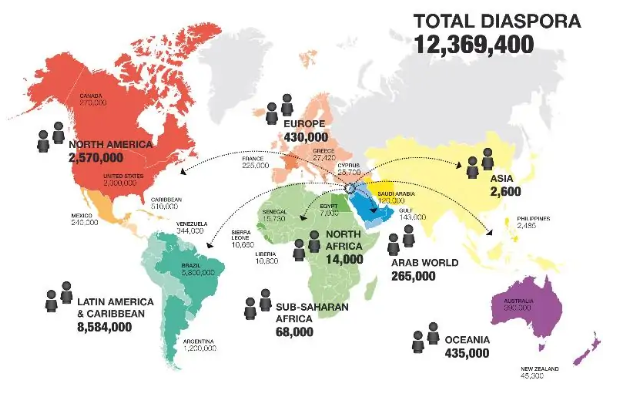
The regulation is expected to encourage the Indonesian diaspora, including children of Indonesian citizens who are skilled, have a great love for the country, and want to contribute to Indonesia.
In addition, the policies regulated in PP No. 21 are also in line with the grand design of various other policies in encouraging efforts to recover the national economy due to the Covid-19 pandemic.
This includes facilitating immigration services, visa policies and simplification of residence permits which cover a wider and more diverse range of activities.
Thus, investors, including those from the Indonesian diaspora, are expected to have the desire to invest, own property according to regulations, and/or spend their old age in Indonesia. (Kemenkumham, antara)